Ivermectin: UK Information Guide
Summary
UK guide to ivermectin — antiparasitic for certain worm and parasite infections. How it works, established uses, veterinary product warning, side effects and FAQs.
Reviewed by the Kamcenuk medical content team · Last updated
Introduction
Ivermectin is an antiparasitic medicine used to treat certain infections caused by parasites. In its established medical uses it is prescribed for particular worm (helminth) infections, such as some intestinal worm infestations and river blindness (onchocerciasis), as well as some other parasitic conditions. Topical formulations are also used for certain skin conditions involving parasites. It should be used only for its intended, approved purposes under medical guidance. This UK-focused guide explains what Ivermectin is, how it works, how it is usually taken, common and serious side effects, safety points, and frequently asked questions. It is general information only — not personal medical advice.
What Is Ivermectin?
Ivermectin is an antiparasitic medicine used to treat certain infections caused by parasites. In its established medical uses it is prescribed for particular worm (helminth) infections, such as some intestinal worm infestations and river blindness (onchocerciasis), as well as some other parasitic conditions. Topical formulations are also used for certain skin conditions involving parasites. It should be used only for its intended, approved purposes under medical guidance.
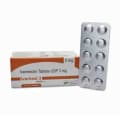
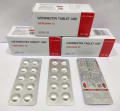
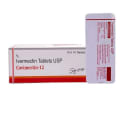
Generic products include Iverheal 3MG, Iverheal 12MG, Iverjohn 12mg, Covimectin 12mg and Iversun 12mg.
How Does It Work?
Ivermectin acts on the nervous system and muscles of many parasites. It binds to particular channels in the parasite’s nerve and muscle cells, increasing the flow of chloride ions. This causes paralysis and death of the parasite. These specific channels are found in invertebrates such as worms and certain external parasites, but are not present in the same way in humans, which is part of why the medicine can target parasites selectively when used appropriately.
How Is It Usually Taken?
Use ivermectin exactly as prescribed and follow the patient information leaflet. Oral forms are usually taken as directed; dosing is often weight-based. Do not exceed the recommended use, and never use veterinary or unverified products intended for animals.
Possible Side Effects
Like all medicines, products containing this active ingredient can cause side effects, although not everyone experiences them.
More commonly reported effects can include:
- Itching or skin rash
- Dizziness
- Nausea
- Headache
- Muscle or joint aches
- Mild swelling or tenderness of lymph nodes when treating certain infections
Serious effects require urgent medical attention. Stop and seek help immediately if you experience:
- Signs of a severe allergic reaction such as swelling of the face, lips, tongue or throat, difficulty breathing, or fainting
- Severe skin reactions, including widespread blistering or peeling rash
- Severe dizziness, fainting, or a fast or irregular heartbeat
- Confusion, drowsiness, seizures or other sudden changes in the nervous system
- Severe or worsening eye symptoms, vision changes or eye pain
This is not a complete list. Always read the patient information leaflet and report concerns to a doctor, pharmacist or via the MHRA Yellow Card scheme.
Important Safety Information
- Use ivermectin only for the parasitic condition it has been prescribed for, and only under the guidance of a doctor; do not use it for unproven or off-label purposes.
- Never use veterinary ivermectin products formulated for animals, as the strength and ingredients are not safe or suitable for people.
- Tell your doctor about any other medical conditions, including liver problems, or if you have a weakened immune system.
- Inform your doctor of all other medicines you take, including any that affect the nervous system.
- If you are pregnant, planning a pregnancy or breastfeeding, discuss this with your doctor before use.
- Some parasitic infections require follow-up checks or repeat treatment; attend any appointments your doctor arranges.
- Keep the medicine out of the sight and reach of children, and return unused product to a pharmacy for safe disposal.
Storage
Store in the original packaging below 25°C unless the label states otherwise, away from heat, light and moisture, out of the sight and reach of children.
Related Products
The following products contain this active ingredient (or related combinations). This list is for neutral navigation only and does not imply suitability for any individual.
- Iverheal 3MG — ivermectin 3 mg
- Iverheal 12MG — ivermectin 12 mg
- Iverjohn 12mg — ivermectin 12 mg
- Covimectin 12mg — ivermectin 12 mg
- Iversun 12mg — ivermectin 12 mg
Final Takeaway
Ivermectin is a real medicine with specific uses, benefits and risks. Key points are medical assessment before use, awareness of side effects and interactions, and reading the official patient information leaflet. This article is for general information only and does not replace advice from a doctor or pharmacist.
This article is general information, not medical advice. Always consult a healthcare professional before starting any medication. Always read the patient information leaflet.
Frequently asked questions
What is ivermectin used for?+
Its established uses are for certain parasitic infections, including some worm infestations and river blindness, and in topical form for conditions such as head lice and rosacea. Use only for intended purposes under medical guidance.
Can I use the animal version of ivermectin?+
No. Veterinary products are formulated for animals and are not safe or appropriate for human use.
Might I need more than one dose?+
Some parasitic infections require repeat treatment or follow-up monitoring. Your doctor will advise.
Is ivermectin for viral infections?+
No. Established uses are parasitic. It is not indicated for routine viral illnesses outside formal research and current licensed guidance.
Is this medical advice?+
No. General information only.
Mentioned in this guide
Explore related treatments
Browse our pharmacy selection and find the treatment that fits your needs.