Antibiotics & Antiparasitics: UK Information Guide
Summary
UK guide to generic antibiotics and antiparasitics — when bacterial vs viral infection matters, why finishing the course is essential, ivermectin and hydroxychloroquine context, fenbendazole veterinary-only rule, safety and FAQs.
Reviewed by the Kamcenuk medical content team · Last updated
Introduction
This category covers antibacterial and antiparasitic medicines: antibiotics such as amoxicillin and co-trimoxazole, antiparasitics such as ivermectin, and hydroxychloroquine for certain specialist uses. Fenbendazole appears as a veterinary product only. Correct use protects both the individual and the wider effectiveness of these medicines. General information only — not personal medical advice.
Bacterial vs Viral — Why It Matters
Antibiotics only work against bacteria. They do nothing for viral colds, most flu, or many sore throats. Using antibiotics when they are not needed drives antibiotic resistance — a serious global problem. A clinician decides whether an infection is likely bacterial and which medicine fits.
Common Signs That May Point to Bacterial Infection
- Localised pain, redness, swelling or warmth (skin, wound)
- Fever, chills, feeling very unwell
- Pain or burning when passing urine, needing to go more often
- Persistent cough with discoloured phlegm or chest pain
- Symptoms that worsen rather than improve over a few days
Main Medicine Groups in This Category
- Amoxicillin — common penicillin antibiotic for certain chest, ENT, urinary, skin and dental infections when appropriate
- Co-trimoxazole (Bactrim DS) — combination antibiotic for specific bacterial infections
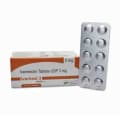
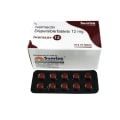
- Ivermectin (e.g. Iverheal 12MG, Iverheal 3MG, Iversun 12mg) — antiparasitic for certain worm and some external parasite infections under medical guidance
- Hydroxychloroquine (HCQS) (e.g. HCQS 200 Mg, HCQS 400 Mg) — specialist use in some autoimmune conditions and malaria protocols; eye monitoring for long-term use
- Fenbendazole — veterinary only; not approved for human use
Critical Safety Rules
- Finish the full prescribed course even if you feel better
- Never share antibiotics or use leftover courses
- Tell your doctor about penicillin or other drug allergies
- Ivermectin and hydroxychloroquine only for established indications under guidance
- Fenbendazole is for animals only under a vet
Why Finishing the Course Matters
Stopping early can leave surviving bacteria that regrow and become harder to treat. Completing the course as directed helps clear the infection and slows resistance.
Five Products Often Looked Up in This Category
- Iverheal 12MG — generic ivermectin 12 mg
- Iverheal 3MG — generic ivermectin 3 mg
- HCQS 400 Mg — generic hydroxychloroquine
- HCQS 200 Mg — lower-strength hydroxychloroquine
- Iversun 12mg — alternative generic ivermectin 12 mg
Final Takeaway
Antibiotics treat bacteria, not viruses. Antiparasitics such as ivermectin are for specific diagnosed infections. Hydroxychloroquine needs specialist supervision. Fenbendazole is veterinary only. Always use these medicines under proper advice and finish courses as directed. This article is general information only.
This article is general information, not medical advice. Always consult a healthcare professional before starting any medication.
Frequently asked questions
Will antibiotics help a cold or flu?+
No. Colds and most flu are viral. Antibiotics only work against bacteria and misuse drives resistance.
Why must I finish the whole course of antibiotics?+
Completing the course helps clear the infection fully and reduces the chance of resistant bacteria surviving.
How do I know if my infection is bacterial or viral?+
It is often hard to tell from symptoms alone. A doctor uses history, examination and sometimes tests to decide.
Is fenbendazole for people?+
No. Fenbendazole is a veterinary antiparasitic for animals only and is not approved for human use.
What is ivermectin used for?+
Under medical supervision, for certain parasitic infections. It is not indicated for routine viral illnesses.
Can I use leftover antibiotics from before?+
No. They may be the wrong type or dose and using them can be ineffective or harmful.
What should I do if I have a penicillin allergy?+
Always tell your doctor or pharmacist before treatment. Alternative antibiotics exist. Seek urgent help for rash, swelling or breathing difficulty.
Is hydroxychloroquine an antibiotic?+
No. It has roles in some autoimmune conditions and malaria protocols under specialist care, with monitoring including eye checks for long-term use.
Mentioned in this guide
Explore related treatments
Browse our pharmacy selection and find the treatment that fits your needs.